
Contents:
- Why Sourcing Transparency Matters Most
- Product Depth Signals Real Expertise
- What This Looks Like in Practice
- Consistent Inventory Over Flashy One-Off Imports
- A Seasonal Timeline Worth Knowing
- Shipping and Freshness Handling
- What the Pros Know
- An Expert’s Take on What Separates the Good Stores From the Rest
- When a Generic Grocery Store Is Actually Fine
- Conclusion
- FAQ
- How can I verify a store’s sourcing claims before ordering?
- Should I worry about shipping times for shelf-stable international foods?
- Is it worth paying more for a specialty international retailer over a generic supermarket?
- What’s the biggest red flag when evaluating an online international grocer?
- Where can I start if I want to try a reliable international grocery store?
It’s genuinely frustrating to order what’s marketed as an authentic import, wait a week for shipping, and open the box to find something that tastes like a diluted, mass-market imitation of what you actually wanted. That experience is common enough that it’s worth having a real checklist before handing over your card details to the next international food store that shows up in a search result.
Brief answer: a reliable international food store should be judged on sourcing transparency, product depth within specific regions, consistent inventory, honest shipping timelines, and clear handling of perishable versus shelf-stable goods. Checking these five criteria before ordering from any International food store saves both money and disappointment compared to judging a retailer on marketing language alone.
Why Sourcing Transparency Matters Most
A store that clearly states where a product comes from — the specific country, sometimes even the specific producer or region — gives you real information to evaluate. A store that just labels everything “imported” or “authentic” without specifics is asking you to trust marketing language instead of facts. This distinction matters a lot with fermented and preserved goods especially, where production method affects flavor as much as origin does; a soy sauce brewed traditionally over months tastes meaningfully different from one produced through accelerated chemical hydrolysis, even if both technically qualify as “soy sauce” on a label.
Product Depth Signals Real Expertise
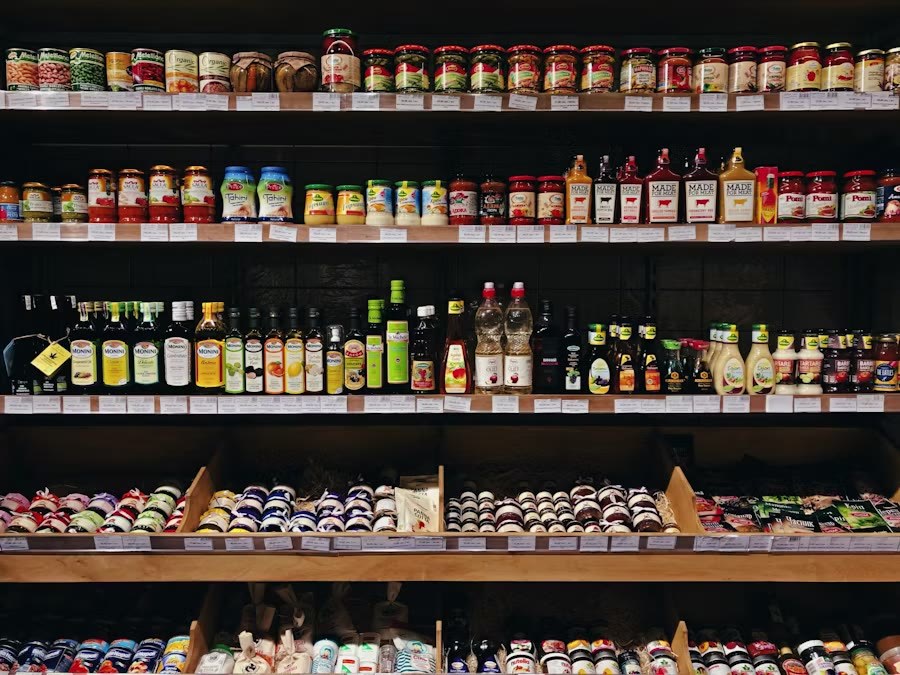
One of the clearest signs of a store worth trusting is how deep its selection goes within a single category, not just how many countries it claims to cover. A store carrying a single “Thai curry paste” alongside a single “Chinese soy sauce” and a single “Mexican salsa” is offering surface-level coverage of an enormous amount of culinary territory. A store carrying three or four regional variations of curry paste, multiple soy sauce styles for different cooking purposes, and several distinct Mexican chili and salsa varieties is demonstrating actual knowledge of the cuisines it’s selling, not just checking a box.
What This Looks Like in Practice
Rudca Food organizes its catalog by country and region specifically because that structure forces real depth — you can’t fill out a “Poland” collection or a “South America” collection with one generic product per category and call it complete. That depth is the single clearest signal that a store’s buyers actually understand the cuisines they’re sourcing for, rather than treating international food as one undifferentiated category.
Consistent Inventory Over Flashy One-Off Imports
A store that occasionally brings in an exciting, rare specialty item but can’t reliably restock the staples you actually cook with every week isn’t built for regular use. Before committing to a retailer as a primary source, it’s worth checking whether core staples in a category you care about have stayed consistently in stock over several months, not just whether the initial selection looked impressive on a first visit.
A Seasonal Timeline Worth Knowing
Certain imported goods follow predictable seasonal patterns that affect both availability and price. Fresh imports of items like certain fruits or specialty produce peak according to harvest seasons abroad, which don’t always match US seasons. Holiday-specific products — Lunar New Year goods in late January or February, Middle Eastern sweets around Ramadan (which shifts roughly 10-11 days earlier each year on the Gregorian calendar), or European chocolate around Easter — tend to sell out fastest in the weeks immediately before the relevant holiday. A store that plans and stocks ahead of these predictable windows, rather than scrambling to restock after demand spikes, demonstrates real operational planning rather than reactive ordering.
Shipping and Freshness Handling
How a store handles the split between shelf-stable and perishable goods says a lot about its reliability. Shelf-stable staples — sauces, dried goods, spices, most candy — should ship reliably with standard packaging and reasonably predictable timelines, typically three to seven business days for domestic orders from a retailer holding US-based inventory. Anything requiring cold shipping, like certain cured meats or fresh dairy, should come with clear information about insulated packaging and expected transit time, since these items degrade quickly if shipping estimates run long.
What the Pros Know
Experienced international grocery shoppers rarely judge a store by its homepage alone. They check specific product pages for detailed origin information, read reviews mentioning restock reliability over time rather than just first-impression quality, and often start with a small trial order of two or three items before committing to a larger pantry restock. This approach catches sourcing or quality issues early, before a significant amount of money is tied up in a single large order from an unfamiliar retailer.
An Expert’s Take on What Separates the Good Stores From the Rest
“The stores that last are the ones that treat sourcing like a craft, not a supply chain shortcut,” says Daniel Ferreira, a specialty food distributor consultant who has spent 15 years advising importers on sourcing strategy. “Anyone can slap ‘authentic’ on a label. What actually builds customer trust is being specific — naming the producer, the region, sometimes even the production method — because that level of detail is very hard to fake convincingly.”
When a Generic Grocery Store Is Actually Fine
Not every purchase requires a specialty retailer. For extremely common, widely available items — basic soy sauce, standard olive oil, common spices — a generic supermarket’s international aisle is often perfectly adequate, and paying more through a specialty importer for something that’s already reasonably good at the regular store doesn’t make much sense. Specialty international stores earn their value on the harder-to-find, more specific items where sourcing quality genuinely varies, not on the basics everyone already carries.
Conclusion
Choosing an international food store comes down to checking real signals — sourcing transparency, category depth, restock reliability, and honest shipping practices — rather than trusting marketing copy at face value. A store that consistently demonstrates these traits across its global food products earns repeat business the hard way, through actual product quality rather than one-time promotional offers.
FAQ
How can I verify a store’s sourcing claims before ordering?
Look for specific producer or region information on product pages, check for third-party reviews mentioning authenticity, and start with a small trial order before a larger purchase.
Should I worry about shipping times for shelf-stable international foods?
Reputable retailers with domestic inventory typically ship shelf-stable goods within three to seven business days; longer estimates usually mean the item ships directly from overseas.
Is it worth paying more for a specialty international retailer over a generic supermarket?
Yes for harder-to-find regional specialties where quality varies significantly between suppliers; no for widely available basics that a regular grocery store already carries well.
What’s the biggest red flag when evaluating an online international grocer?
Vague, generic labeling like “authentic imported” with no specific country, producer, or region named anywhere on the product page.
Where can I start if I want to try a reliable international grocery store?
https://rudcafood.com/ organizes its full catalog by region with specific sourcing details on each product, making it a practical starting point for comparing against other retailers.